
1. Consultation and Dental Cleaning
INDIAN DENTAL ASSOCIATION recommends visiting your dentist regularly — usually about twice yearly. Regular check-ups can prevent tooth decay and gum disease as well as identify the beginnings of oral health problems.

Q) Do I really need to have my teeth professionally cleaned?
Yes. Even if you brush and floss after every meal and before bed, bacteria-harboring plaque can accumulate in the tiniest crevices, grooves and pits. Over time, decay starts resulting in pain and broken tooth material.
Q) What types of guidelines should I follow after my visit?
In between dental cleanings and consultations, be sure to maintain good oral habits at home, including flossing, brushing after meals, and using fluoridated toothpaste and mouthrinse.
2. How to Brush Your Teeth
Brushing your teeth is your daily routine. The IDA (Indian Dental Association) currently recommends brushing your teeth a minimum of two times each day — preferably morning and night or anytime you eat foods that contain sugar.
Your toothbrush should be tilted at a 45-degree angle to the gumline. The brush should be ultra-soft bristled with a head that is ergonomically proportioned to the inside of your mouth. Brushing strokes should be vertical with rotation.
It is also important to brush your tongue as bacteria can accumulate there and cause bad breath. Medium/hard-bristle toothbrushes cause abrasions to the teeth and gums, causing decay. According to IDA recommendations, replace your toothbrush about 4 times yearly or whenever the bristles become bent.
Q) Should I change my brushing habits?
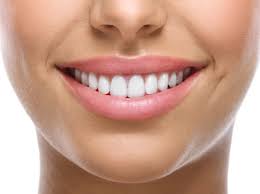
If there are signs of poor oral hygiene, then you need to change your brushing habits. Signs include bleeding or reddened gums, excessive plaque build-up, decaying teeth and receding gumlines. Make an appointment with your dentist for a full consultation.
Q) Is there anything additional necessary with brushing?
Yes. You should also floss daily and use toothpaste that contains fluoride each day. You should also schedule dental exams and professional cleanings two times a year.
3. How to Floss Your Teeth
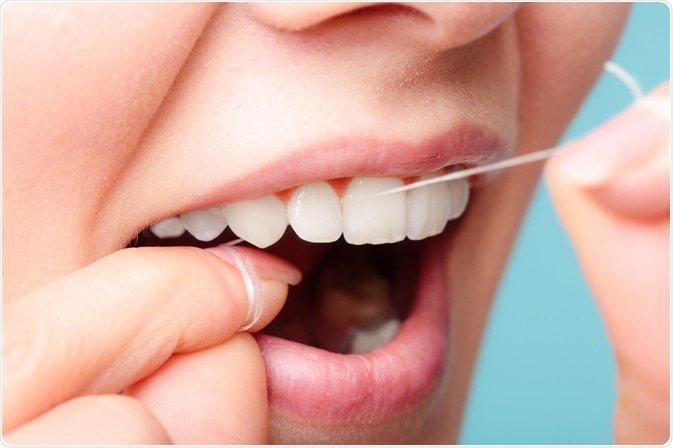
Flossing is an important part of an oral hygiene routine, but research suggests very few people do this daily. Flossing is simple and only takes an extra couple of minutes per day. Tooth decay and gum disease are prevented by flossing, resulting in more natural teeth as you age.
Steps:
- Pull the floss taut and slide it between two teeth.
- Pull against the side of one tooth, creating a "C" shape and sliding upwards to remove plaque build-up.
- Pull against the opposite tooth edge using the same technique.
- Repeat this process for each tooth until all inner surfaces have been flossed.
- Don't forget to floss the backs of your molars.
Q) Should I be flossing?
Yes. Flossing prevents tooth decay and gum disease. Even if you have restorations, such as crowns or veneers, good oral hygiene is essential for prolonging their use and maintaining your oral health.

Q) Is there anything else I should be doing in addition to flossing?
Yes. In addition to flossing, you should be adopting proper brushing techniques and visiting your Teethwel dentist twice per year for examinations and professional dental cleanings.
4. Diet and Dental Health
Your diet has a direct effect on your overall dental health. Developing good eating habits can lead to excellent oral health free of decay and gum disease.
"TEETHWEL" recommends avoiding certain foods that can expedite decay, such as foods high in sugar.
Q) Should I change my eating habits to better my oral health?
Probably. Speak with your dentist about the types of foods you should be eating that comply with your diet and can also optimize your oral health.
Q) What types of changes will my Teethwel dentist recommend?
In addition to avoiding sugary foods, the Teethwel dentist suggests drinking plenty of water each day and avoiding snacks between meals whenever possible. Consume nutritional foods from each major food group, including:
- Whole grains
- Vegetables
- Lean proteins
- Low-fat dairy
- Fruits
Q) Which additional habits improve my oral health?
You should be flossing daily and brushing twice daily using a soft-bristled toothbrush. Visit your dentist at least twice per year for oral exams and professional dental cleaning.
5. Bad Breath
Bad breath is called Halitosis in dentistry. Proper brushing is mostly the remedy for bad breath. Bad breath can damage your confidence especially when you regularly meet people face to face. Some types of bad breath are chronic or recurring, which may require a visit to the dentist.
Simply eating too much garlic may cause bad breath. Some important causes include dry mouth, certain medications, use of tobacco, poor dental hygiene, and oral infections. Cancer or gastroesophageal reflux may also cause bad breath as a symptom.
Q) Do I need treatment for my bad breath?
If your bad breath does not reduce despite self-care techniques, such as dietary adjustments and thorough tooth brushing, you may need to visit your dentist for treatment. Gum, breath mints and mouthwash are temporary remedies to freshen breath.
Q) What should I expect my dentist to do about my bad breath?
It begins with an examination and questions about daily habits, types of foods you eat and medications you take. The dentist will search for signs of decay, infections or gum disease that could be causing your bad breath. If your chronic bad breath cannot be traced to an oral problem or daily habit, you may be referred to a physician for further evaluation.
Q) Is there anything I can do to maintain better breath?
Yes. Eliminate odour-causing foods from your diet, such as garlic and onions. Make an effort to brush your teeth and tongue every morning and night. Try to keep breath fresheners on hand at all times. Sleep with your mouth closed to prevent dry mouth. Finally, be sure to visit your dentist for professional cleanings twice per year to remove deposited plaque that can cause chronic halitosis.
6. Electric Brush vs Manual Brushes
As part of a normal hygienic routine, people use manual toothbrushes to remove debris and plaque from teeth. However, electric brushes have become widely popular in recent years.
People with upper body mobility restrictions may better benefit from an electric toothbrush instead of a manual brush. Regardless of which type you decide on, the IDA recommends that all brushes be soft-bristled so as to avoid abrasions that can lead to decay and receding gumlines.
Q) Which toothbrush should I be using?
Either a manual toothbrush or an electric one. However, the rapid movements of motorised versions may be more effective at removing plaque from the teeth and gumline. Ask your dentist which toothbrush is best at your next visit. Look for an electric brush with an oscillating head or one that includes a timer to know how long to brush.
Q) My electric toothbrush was expensive. Do I need to change it as often as a manual brush?
Yes. Your toothbrush should be replaced at least once every three to four months or whenever you notice fraying. However, most electric toothbrushes come with interchangeable heads — you won't need to replace the entire device.
7. Fluoride and Decay Prevention
Fluoride is a naturally occurring element that helps to strengthen teeth in children and also prevents decay and dental caries in adults. Topical fluoride is helpful for promoting oral health.
Q) Do I need fluoride treatments?
Fluoride treatments provide oral support and prevent receding gums and decay if you wear orthodontic braces or are taking medications that cause dry mouth.
Q) What should I expect during fluoride treatments?
Fluoride treatments are painless and can be administered in the dental office at twice-yearly check-ups and cleanings. Your dentist will distribute fluoridated gel, foam or varnish into a tray and place it over your teeth. The treatment lasts a few minutes and is only required between one and four times per year.
8. Post-Operative Questions
After a dental procedure or operation, you will be given a set of post-operative instructions to follow in the hours, days and weeks after your treatment. It is essential to follow these instructions for prevention of infections in surgical sites, protecting restorations and minimising complications. Post-operative instructions vary from procedure to procedure, but you are sure to have some questions regarding care. Your Teethwel dentist will be here to answer these questions and respond to any concerns you may have.
Try to anticipate some of the questions you may have about your post-operative care and ask them prior to your treatment, including:
- How should I manage pain following my procedure?
- How long should I experience discomfort?
- Do I need to follow any special dietary guidelines?
- Will I be able to drive myself home after my procedure?
- Will I need to take an antibiotic?
- Will I need a follow-up appointment?
- When will my permanent restorations be ready?
- How do I care for my removable prosthesis?
Q) What should I expect when I speak with my dentist?
Your dentist should arrange enough time in your consultation and pre-operative exam to listen to your concerns and answer any questions you may have.
Q) Is there anything I can do to make the process easier?
Yes. Begin thinking of any questions you may have about your post-operative care and write them down. It saves your time as well as your dentist's, without missing any important details.
9. Custom Sport Mouth Guards
Protect your teeth with a custom mouth guard. To boost your game performance, wear a custom sport mouth guard. It's easy to find readily available mouth guards but not all offer the same level of protection. The best oral appliance is one that is made specifically for you.
Why get custom sport mouth guards?
- It is a protective oral appliance made for sports enthusiasts.
- Custom fit minimises movement of the appliance and allows the athlete to breathe easier.
- Protects lips, cheeks and gums from cuts and lacerations from the upper teeth.
- Reduces the risk of jaw and tooth fractures by distributing and absorbing the energy from impact.
Get in touch with us today at TEETHWEL for more information about custom sport mouth guards.